




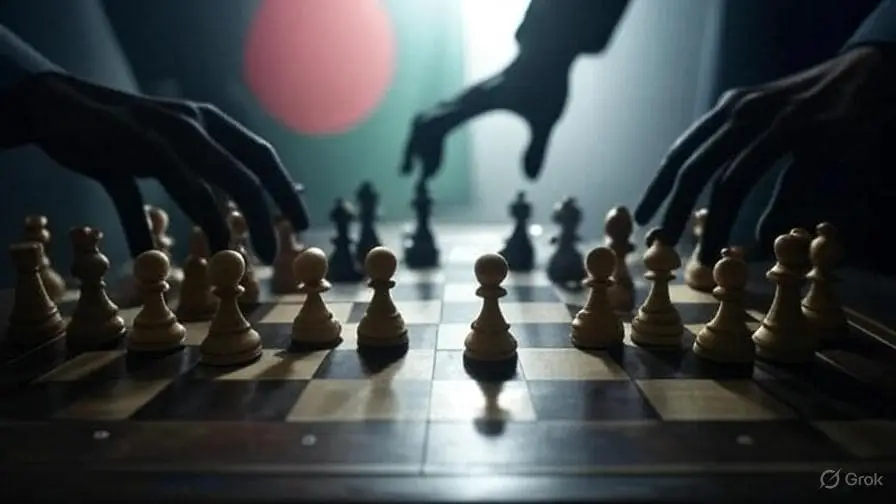





Victorious warriors win first and then go to war, while defeated warriors go to war first and then seek to win.
In the midst of chaos, there is also opportunity.
The greatest victory is that which requires no battle.
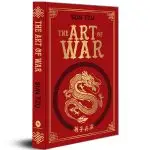
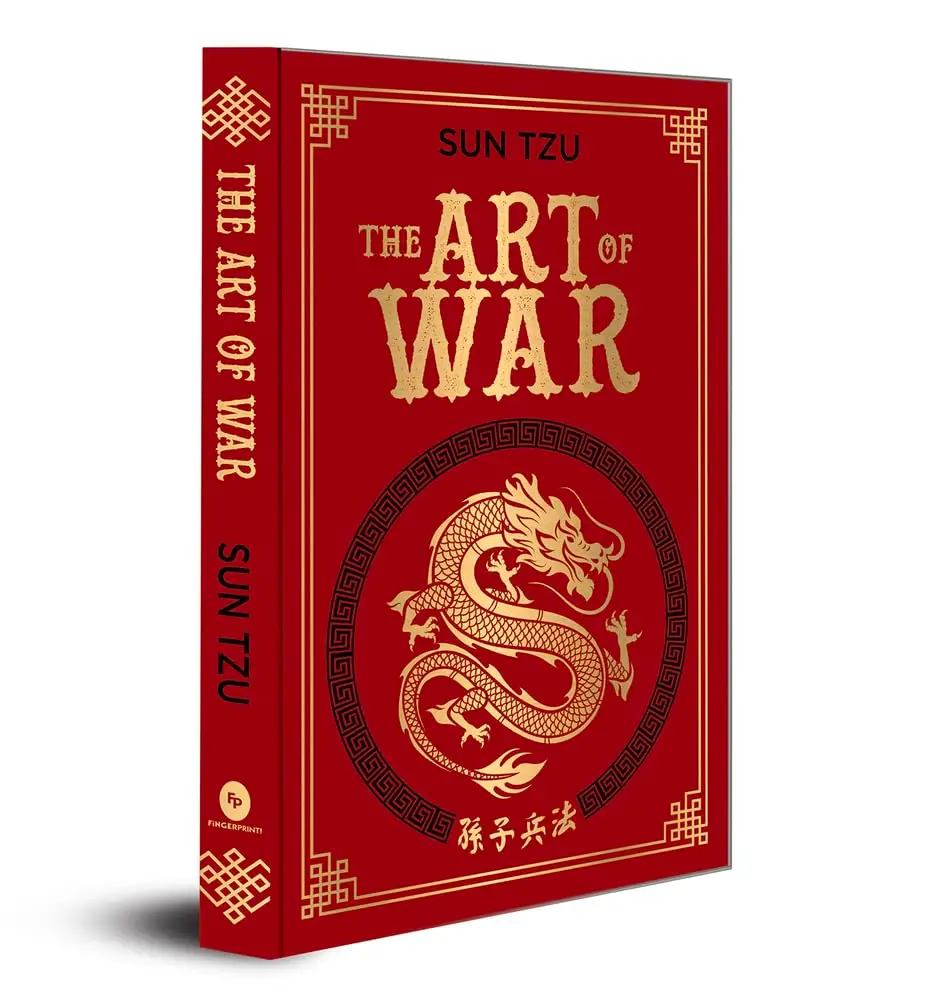
The Art of War isn’t a traditional book-it’s more like a manual of wisdom written in short, sharp sayings. Sun Tzu believed that battles were not won by strength alone, but by strategy, timing, and understanding both yourself and your opponent.
The book is divided into thirteen short chapters, each focusing on a principle of warfare. But if you read closely, it’s not just about swords and soldiers-it’s about how to approach challenges in any field of life.
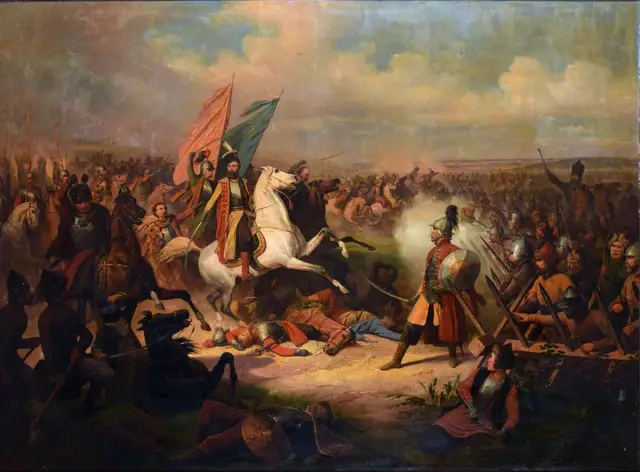
Sun Tzu explains that the best victory is the one where you don’t even need to fight. If you can outthink your rival, avoid unnecessary conflict, and strike only when the moment is right, you save energy and resources. He stresses preparation-knowing the terrain, the weather, the morale of your people, and the weaknesses of your enemy. In simple terms: knowledge is power, and planning beats rushing.
Another theme is flexibility. He compares strategy to water-able to adapt to any shape, flow around obstacles, and find the easiest path. The strongest leaders are those who don’t stick stubbornly to one plan but change course when reality demands it.
He also warns about emotions. Anger, pride, or overconfidence can destroy a leader faster than any weapon. Instead, calmness, patience, and clarity bring long-term success.

Taken together, The Art of War is less about fighting others and more about mastering yourself-your discipline, focus, and ability to turn challenges into chances. That’s why this book still speaks to people far away from ancient battlefields: entrepreneurs, students, and dreamers find lessons in it every day.
What Bangladeshi Youth Can Take Away
Think about the way many young people in Bangladesh approach life today. Some jump into things-whether it’s starting a business, choosing a career path, or even joining a social movement-without much planning. Others burn out too quickly, fighting with everyone around them instead of choosing their battles wisely. And some wait until the “perfect opportunity” appears, but by the time they act, the moment is gone.

Sun Tzu would remind us: success isn’t about being the loudest or strongest-it’s about being prepared, strategic, and adaptable.
Take an example: imagine a young entrepreneur in Sylhet trying to start a food delivery service. If they copy big apps blindly, they’ll likely fail. But if they study the “terrain” first-local demand, student hostels, and traffic patterns-they can create a smarter, smaller service that thrives. That’s pure Art of War.
Or think of youth-led movements in Bangladesh. The ones that succeed are those that organize calmly, study the situation, and act with discipline. The ones that fail often act out of anger, without clear strategy, and lose momentum fast.
The real takeaway is this: you don’t need to fight every battle. Learn to choose wisely, prepare deeply, and adapt quickly. Whether it’s your studies, your career, or your activism, discipline will carry you further than chaos.
Final Note

Bangladeshi youth are full of passion-but passion without direction is like an army with no map. The Art of War teaches that with patience, strategy, and self-mastery, even the toughest challenges can be turned into victories. Start by mastering small battles-like time management, learning new skills, or building discipline. Soon, you’ll realize that the “wars” of life are not won in the battlefield but in the quiet preparation before it begins.
About the Writer
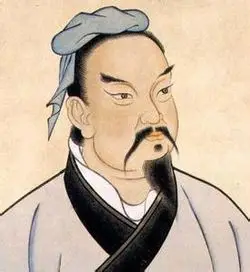
Sun Tzu was a Chinese general, philosopher, and strategist who lived more than 2,500 years ago. Though much of his life is surrounded by legend, his timeless wisdom on strategy and leadership was collected in The Art of War, a slim book that has influenced emperors, business leaders, athletes, and even politicians worldwide. What makes Sun Tzu remarkable is that his lessons go far beyond the battlefield-they teach us how to think smart, prepare wisely, and act with discipline in life itself.
If you want to order this book, Click the link here, The Art of War(Paperback), আধুনিক দৃষ্টিকোণে সান জু-র: দ্য আর্ট ব ওয়ার (হার্ডকভার)
Thank for giving me your time while reading this. Getting anyone’s time is the most precious thing for me. To read my other blogs like Building Social Business by Yunus | A book summary for youth, Phobia to Nervous moment? Is it normal?, and The Shondha River Stole My Childhood: Why I’m Fighting Climate Anxiety, you can click here.